
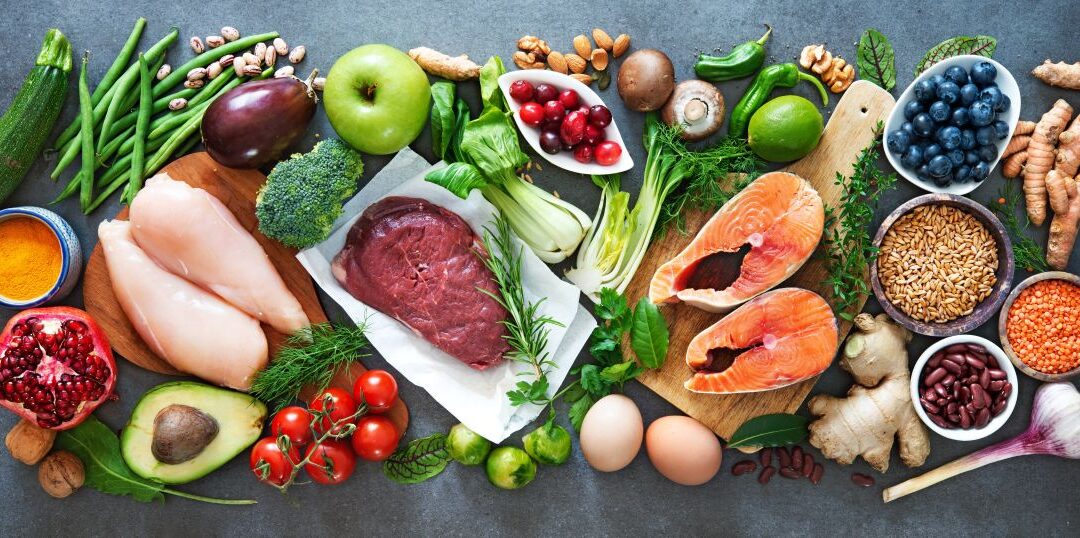
The Four Types of Food: A Simpler Way to Eat for Better Health and Natural Weight Balance
Instead of counting calories, learn to recognize what each meal is helping your body do.
Healthy Eating Has Become Too Complicated
Spend a few minutes searching for nutrition advice and you will quickly encounter dozens of competing opinions.
One plan tells you to avoid carbohydrates. Another emphasizes whole grains. Some programs require calorie counting, while others ask you to track every gram of protein, fat, and carbohydrate. New books, podcasts, and social media trends appear constantly, each offering a different formula for better health or weight loss.
It is no wonder so many people feel confused.
Many patientsed.s who come to Blue Waters Health Center have already tried several diets. They may have lost weight and regained it, followed complicated rules they could not sustain, or simply become frustrated by the feeling that healthy eating requires constant calculation.
Dr. Mike teaches a different way to think about food.
Rather than beginning with calories, points, or restrictions, begin with a more useful question:
What is this food helping my body do?
Food is more than fuel. It supplies nutrients and raw materials your body uses to maintain tissues, produce hormones and enzymes, support immune function, replace cells, and carry out thousands of everyday processes.
This principle is part of what Dr. Mike calls the Law of Nourishment: the body functions best when it consistently receives the resources it needs.
That does not mean every meal must be perfect. It means that the choices you make repeatedly can either support your body’s daily work or make that work more difficult.
To make those choices easier to understand, Dr. Mike organizes foods into four memorable categories:
- Builders
- Eliminators
- Congestors
- Lubricators
This is not a rigid diet. It is a practical way to look at your plate.
"Every meal is more than fuel. It's information your body uses to build, repair, protect, and restore itself."
The Four Types of Food at a Glance
| Food Type | What It Contributes | Common Examples |
| Builders | Protein and other nutrients used in normal maintenance and repair | Fish, poultry, meat, eggs, Greek yogurt, cottage cheese |
| Eliminators | Fiber, water, vitamins, minerals, and plant compounds | Leafy greens, vegetables, berries, and many fresh fruits |
| Lubricators | Healthy fats that support normal body functions and meal satisfaction | Olive oil, avocado, nuts, seeds, natural nut butters |
| Congestors | Foods that can crowd out more nourishing choices when they dominate the diet | Refined breads, pastries, chips, sugary drinks, sweets, and many processed foods |
The purpose of these names is not to declare foods “good” or “bad.” It is to help you notice the overall pattern of a meal.
This philosophy is rooted in a concept Dr. Mike often teaches called the Law of Nourishment, one of the foundational principles described in Dr. Fleet's book Raising Dawn. The idea is straightforward: the human body is designed to function according to natural laws. When we consistently provide it with what it needs, we support its ability to function well. When we consistently ignore those principles, the body must work harder to compensate.
Fortunately, healthy eating doesn't have to be complicated.
Rather than memorizing long lists of foods you "can" or "can't" eat, Dr. Mike teaches a simple framework that helps patients understand the purpose of what they're putting on their plate. Every food can be viewed through one of four categories:
- Builders – foods that provide many of the raw materials the body uses to build and repair.
- Eliminators – fruits and vegetables that support normal digestion and the body's natural housekeeping processes.
- Congestors – foods that are easy to overconsume and, when they dominate the diet, can crowd out more nourishing choices.
- Lubricators – healthy fats that support normal body function and complement balanced meals.
Once you begin looking at food this way, nutrition becomes far less intimidating. Instead of asking, "Is this food good or bad?" you'll begin asking a more useful question:
"How will this meal help my body?"
For many people, that shift is the beginning of a healthier relationship with food—not one built on guilt or restriction, but on understanding.
A Different Way to Think About Nutrition
Instead of asking:
- ❌ How many calories are in this meal?
- ❌ Is this diet allowed?
- ❌ What foods do I have to give up?
Try asking:
- ✓ What is this meal helping my body do?
- ✓ Am I giving my body the nutrients it needs?
- ✓ Does my plate contain foods that build, nourish, and support healthy function?
Builders: Supplying the Body’s Construction Materials
Your body is constantly maintaining and renewing itself.
Muscles recover from activity. Bone tissue remodels. Skin cells are replaced. Enzymes and hormones are produced. Organs and connective tissues require ongoing maintenance.
To perform that work, the body needs raw materials.
What Foods Are Builders?
Dr. Mike calls protein-rich foods Builders because they provide amino acids and other nutrients used throughout the body.
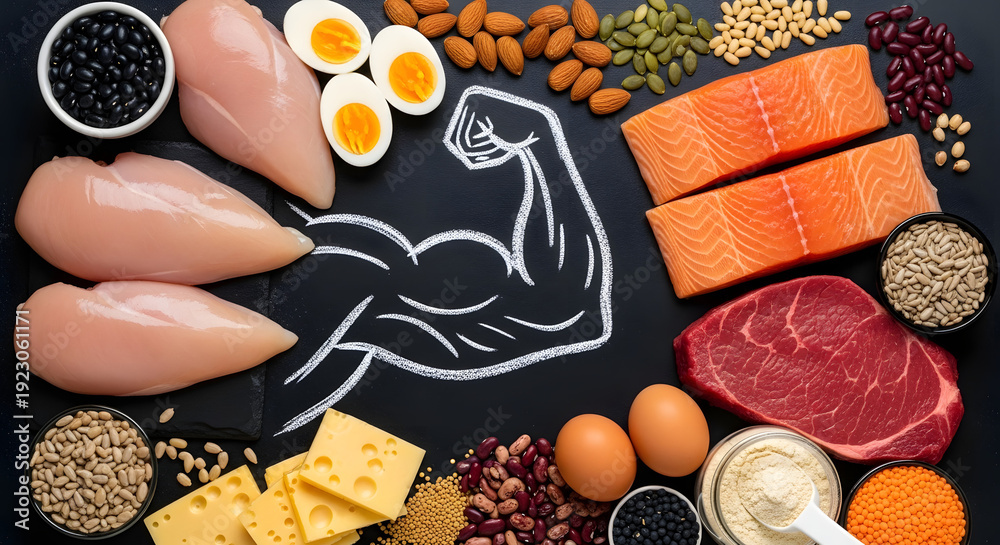
Builders may include:
- Chicken and turkey
- Fish and seafood
- Beef and pork
- Eggs
- Greek yogurt, cottage cheese, and cheese
- Plant-based proteins such as beans, lentils, tofu, and tempeh
Protein is not only for athletes. It is important throughout life and becomes especially relevant as we age, when maintaining muscle, strength, balance, and mobility can support continued independence.
You do not need to calculate every gram before sitting down to eat. Begin with a simpler question:
Where is the Builder on my plate?
If you cannot identify one, consider adding a quality source of protein.
Eliminators: Supporting the Body’s Housekeeping
The body does more than build. It also processes nutrients, moves waste through the digestive tract, filters the blood, and carries out countless housekeeping functions every day.
Dr. Mike calls fruits and vegetables Eliminators because they provide fiber, water, vitamins, minerals, antioxidants, and beneficial plant compounds that support digestion and many other normal functions.
What Foods Are Eliminators?
Within Dr. Mike's Four Types of Food framework, Eliminators include most fruits and non-starchy vegetables.
|
Eliminator Category |
Examples |
|
Leafy Greens |
Spinach, kale, romaine lettuce, arugula |
|
Colorful Vegetables |
Broccoli, cauliflower, peppers, carrots, asparagus, zucchini |
|
Garden Vegetables |
Cucumbers, tomatoes, celery, onions |
|
Berries |
Blueberries, strawberries, raspberries, blackberries |
|
Fresh Fruits |
Apples, oranges, grapes, pears, kiwi |
Dr. Mike notes that potatoes, corn, and bananas are grouped differently within this nutritional framework because of their higher starch content. The emphasis remains on filling your plate with a wide variety of colorful fruits and vegetables that provide fiber and diverse nutrients.
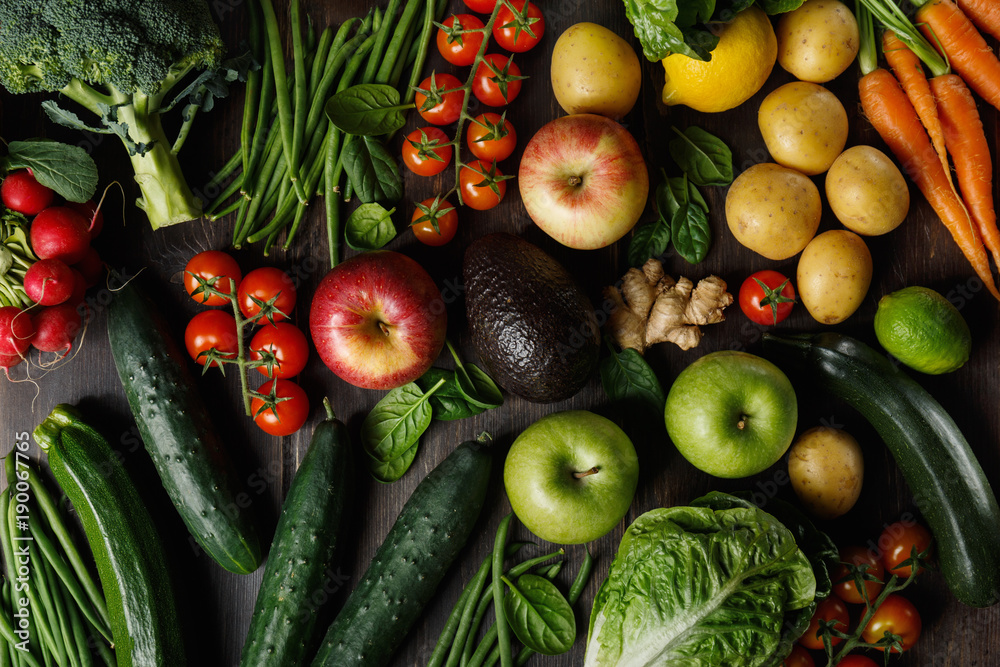
Eat the Rainbow
One of the simplest ways to improve your nutrition is to make your plate more colorful.
Different fruits and vegetables contain different vitamins, minerals, antioxidants, and naturally occurring plant compounds. By choosing a variety of colors throughout the week, you're naturally increasing the diversity of nutrients you're providing your body.
Think of color as nature's reminder to eat a wide variety of foods.
Instead of eating the same vegetables every day, challenge yourself to include deep greens, bright reds, vibrant oranges, rich purples, and sunny yellows throughout the week.
Your plate should look alive.
Congestors: When Too Much Gets in the Way
"Sometimes the biggest challenge isn't what we're eating—it's what those foods are replacing."
Dr. Mike uses the term Congestors for foods that can dominate the modern diet and leave less room for Builders, Eliminators, and healthy Lubricators.
What Foods Are Considered Congestors?
Within Dr. Mike's Four Types of Food framework, Congestors include many refined carbohydrates and highly processed foods that are easy to overconsume.
| Congestor Category | Examples |
| Refined Breads | White bread, rolls, bagels |
| Pasta & Refined Grains | White pasta, white rice |
| Potatoes | French fries, chips, large servings of potatoes |
| Snack Foods | Crackers, pretzels, chips |
| Baked Goods | Donuts, pastries, cookies, cakes |
| Sugary Foods | Candy, desserts |
| Sweetened Drinks | Soda, sweet tea, energy drinks |
| Alcohol | Beer, wine, mixed drinks |
This isn't meant to be an exhaustive list or a rigid set of rules. The goal is simply to recognize which foods re likely taking up the most space on your plate—and whether they're leaving enough room for more nourishing choices.
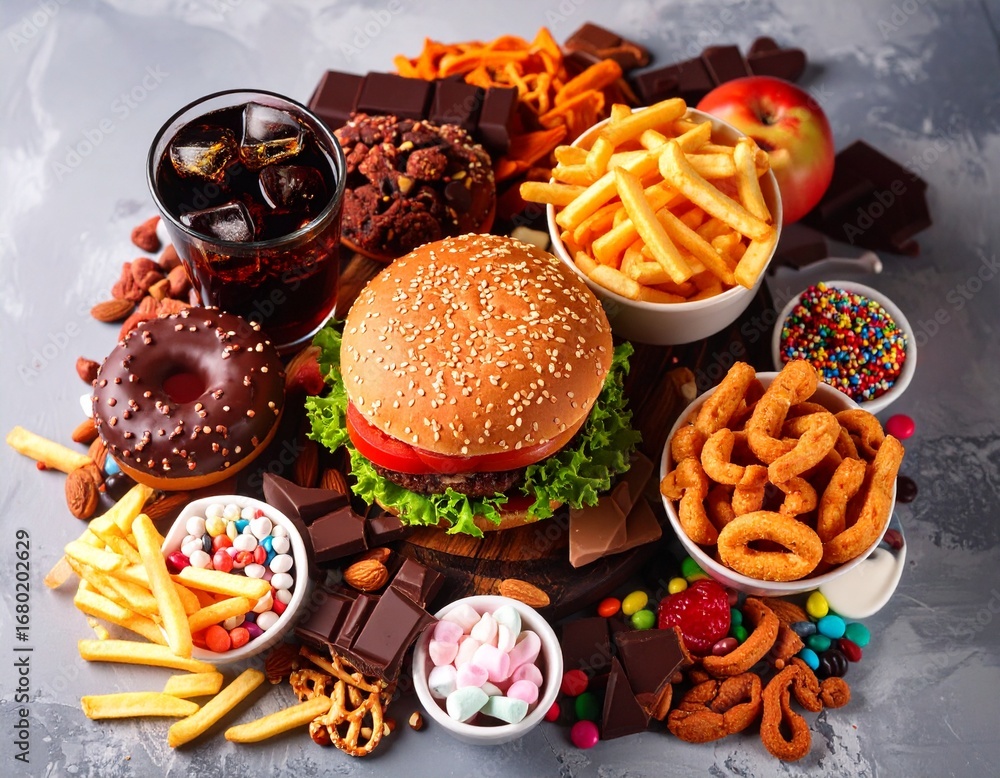
It's About Frequency, Not Perfection
These foods do not need to be treated as forbidden.
A piece of birthday cake, a favorite holiday dish, or an occasional restaurant meal does not determine your health. The concern is frequency and proportion.
When refined or highly processed foods become the main event at most meals, they can crowd out protein, vegetables, fiber, healthy fats, vitamins, and minerals.
Instead of asking, “How can I never eat these foods again?” ask:
Are Congestors taking over my plate?
The goal is balance, not guilt. Builders, Eliminators, and Lubricators should usually play the leading roles, while Congestors take a smaller supporting role.
Lubricators: Healthy Fats That Help the Body Function
"Just as every machine needs lubrication to function smoothly, the human body depends on healthy fats to support many of its normal processes."
For many years, people were encouraged to avoid nearly all dietary fat. We now understand that fat is not a single category and that healthy sources of fat can be part of a nourishing eating pattern.
Dr. Mike calls these foods Lubricators.
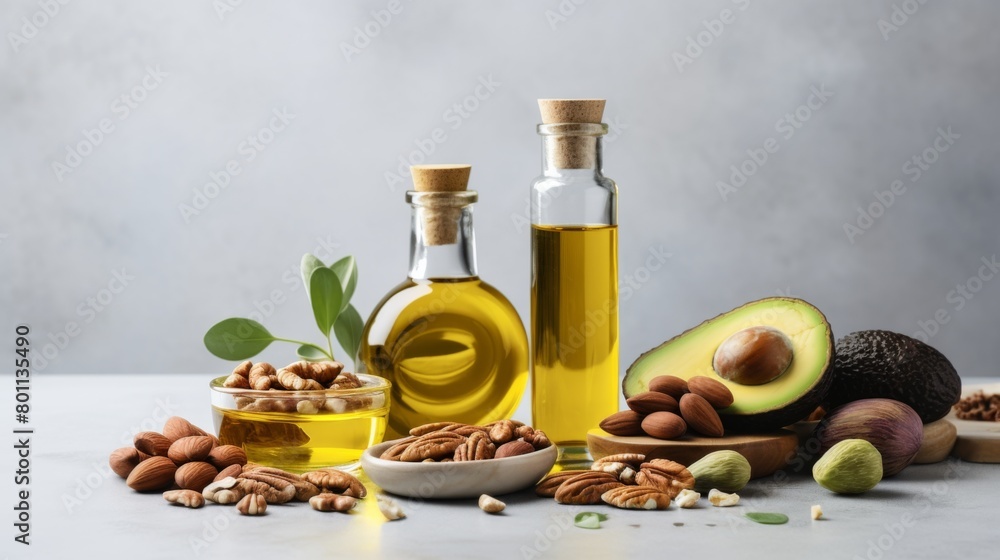
Healthy fats are involved in normal cell structure, nervous system function, hormone production, and the absorption of certain vitamins. They can also add flavor and make meals feel more complete and satisfying.
What Foods Are Lubricators?
Within Dr. Mike's Four Types of Food framework, Lubricators include healthy, minimally processed sources of fat.
| Lubricator Category | Examples |
| Healthy Oils | Extra virgin olive oil, avocado oil, coconut oil |
| Avocados | Fresh avocado, guacamole |
| Nuts | Almonds, walnuts, pecans, macadamias |
| Seeds | Pumpkin seeds, sunflower seeds, chia seeds, flaxseed |
| Natural Nut Butters | Almond butter, peanut butter (without added sugars or hydrogenated oils) |
Dr. Mike also encourages patients to be mindful of highly refined industrial seed oils commonly found in many packaged and fried foods. Rather than focusing on fear or avoidance, the goal is to choose wholesome, minimally processed sources of fat more often.
Healthy Fats Help Meals Feel More Satisfying
One reason people struggle with restrictive diets is that they're often hungry.
Meals made up entirely of lean protein and vegetables can leave some people searching for a snack an hour later.
Adding a healthy Lubricator can help create a meal that feels more complete and enjoyable.
Dr. Mike's Practical Tip
"Don't begin by taking foods away. Begin by building a better plate. As nourishing foods become the focus, many people naturally find themselves eating fewer Congestors without feeling deprived."
What Does a Better-Balanced Meal Look Like?
The Four Types of Food become most useful when you see how they work together.
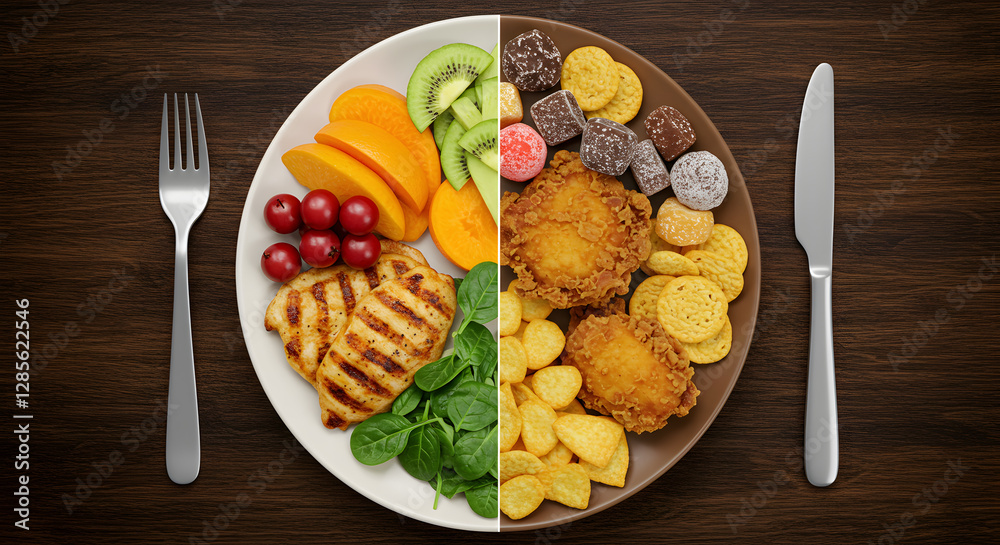
Side-by-Side Lunch Comparison
The purpose of this comparison is not to label one meal morally superior. It is to show how one plate provides a broader range of nutrients and is less likely to let refined foods crowd out more nourishing choices.
| A More Balanced Lunch | A Congestor-Dominated Lunch |
| Grilled chicken | Large serving of refined pasta |
| Mixed greens and colorful vegetables | Garlic bread |
| Olive-oil vinaigrette | Sugary soft drink |
| Fresh berries | Little or no produce |
| Includes a Builder, several Eliminators, and a Lubricator | Primarily Congestors |
Dr. Mike's Practical Tip
"Healthy eating isn't about becoming perfect overnight. It's about making one better decision at a time until those decisions become habits."
The Four-Question Plate Check
You do not need to count points or perform complicated calculations. Before eating, pause and ask:
- Where is my Builder?
Does the meal include a meaningful source of protein?
- Where are my Eliminators?
Have I included vegetables or fruit, preferably with a variety of colors?
- Where is my Lubricator?
Is there a wholesome source of healthy fat?
- Are Congestors taking over?
Are refined or highly processed foods complementing the meal—or dominating it?
You will not answer every question perfectly at every meal. That is not the goal.
The purpose is to become more aware of what is on your plate and what may be missing.
Start by Adding, Not Subtracting
Many diets begin with a long list of things you are no longer allowed to eat.
Dr. Mike’s approach begins with nourishment.
Before eliminating a favorite food, consider what you can add:
- Add eggs or Greek yogurt to breakfast.
- Add another vegetable to dinner.
- Add berries to a snack or meal.
- Add avocado or olive oil to a salad.
- Add a quality protein to a lunch that is mostly bread or pasta.
As nourishing foods begin to take up more room, Congestors often become a smaller part of the meal naturally. This can feel far more sustainable than attempting to overhaul your entire diet overnight.
“Before you focus on what to remove, make sure you are giving your body what it needs.” — Dr. Mike
Healthy Eating Does Not Require Perfection
One indulgent meal does not undo an otherwise healthy pattern, just as one salad does not create lifelong health.
Progress is built through the choices you make most often.
One better breakfast.
One more colorful lunch.
One dinner with a quality Builder, several Eliminators, and a healthy Lubricator.
Then another tomorrow.
The Four Types of Food are not intended to make eating more stressful. They are meant to make it easier to understand.
The next time you look at your plate, do not begin by asking whether the meal is allowed by the latest diet.
Ask:
How will this meal help my body?
That simple question can be the beginning of a healthier and more sustainable relationship with food.
Frequently Asked Questions
What are the Four Types of Food?
The Four Types of Food is a simple nutrition framework developed by Dr. Mike to help people understand the role different foods play in supporting overall health. Foods are grouped as Builders (protein-rich foods), Eliminators (fruits and vegetables), Lubricators (healthy fats), and Congestors (refined carbohydrates and highly processed foods). Rather than focusing on calorie counting, the goal is to build balanced meals that provide the body with the nutrients it needs.
Is this another diet?
No. The Four Types of Food is not a diet plan or weight-loss program. It is an educational approach to understanding nutrition. Instead of telling you what you can and cannot eat, it helps you recognize how different foods contribute to your body's normal functions and encourages healthier eating patterns over time.
Why are protein foods called Builders?
Protein-rich foods provide amino acids and other nutrients your body uses to maintain muscles, skin, organs, connective tissue, enzymes, and many other structures. Dr. Mike calls them Builders because they supply many of the raw materials your body needs for normal repair, maintenance, and renewal.
Why are fruits and vegetables called Eliminators?
Fruits and vegetables provide fiber, vitamins, minerals, water, and naturally occurring plant compounds that support normal digestion and many everyday body functions. Dr. Mike uses the term Eliminators because these foods help support the body's natural housekeeping processes and encourage a balanced, nutrient-rich eating pattern.
What are Lubricators?
Lubricators are healthy sources of dietary fat such as olive oil, avocados, nuts, seeds, and other minimally processed fats. Healthy fats support many normal body functions, including cell membranes, hormone production, nervous system function, and the absorption of certain vitamins.
What are Congestors?
Congestors are foods that can crowd out more nourishing choices when they become the main part of your diet. Examples include refined breads, pastries, chips, sugary drinks, desserts, and many highly processed snack foods. These foods are not necessarily "bad," but balance is important.
Do I have to completely eliminate Congestors?
No. Dr. Mike's philosophy emphasizes balance rather than perfection. The goal is not to eliminate favorite foods forever but to make Builders, Eliminators, and healthy Lubricators the foundation of most meals while enjoying Congestors in moderation.
Can this approach help with weight management?
Many people find that emphasizing protein, vegetables, fruits, and healthy fats naturally leads to more satisfying meals and healthier eating habits. Individual results vary, and nutrition should always be personalized based on your health needs and goals.
Do I have to count calories?
The Four Types of Food focuses less on calorie counting and more on food quality and balance. While calories may still matter for some individuals, Dr. Mike encourages patients to first think about the nutritional value of what's on their plate.
Is this approach appropriate for older adults?
Yes. As we age, maintaining muscle mass, strength, mobility, and good nutrition becomes increasingly important. Many older adults benefit from consistently including quality protein, colorful fruits and vegetables, and healthy fats as part of a balanced eating pattern. Individual dietary needs should always be discussed with a healthcare professional.
How do I start using the Four Types of Food?
Start by asking four simple questions before each meal:
- Where is my Builder?
- Where are my Eliminators?
- Where is my Lubricator?
- Are Congestors taking over my plate?
Small improvements made consistently are often more sustainable than making dramatic changes all at once.
Can vegetarians follow this approach?
Yes. Builder foods can also include plant-based protein sources such as beans, lentils, tofu, tempeh, and other protein-rich foods. The framework can be adapted to a variety of eating styles while still emphasizing balanced nutrition.
Is healthy eating supposed to be this simple?
Dr. Mike believes healthy eating has become unnecessarily complicated. While nutrition science continues to evolve, many people benefit from using a practical framework that emphasizes real, minimally processed foods and balanced meals rather than chasing every new diet trend.
How is the Four Types of Food different from other nutrition programs?
Many nutrition programs begin with restrictions and long lists of foods to avoid. The Four Types of Food begins by asking what your body needs first. It emphasizes nourishment, education, and sustainable habits instead of guilt, deprivation, or perfection.
Can Blue Waters Health Center help me develop a personalized nutrition plan?
Yes. Every patient is unique. At Blue Waters Health Center, nutritional guidance is tailored to each person's health history, goals, lifestyle, and clinical needs. During your consultation, Dr. Mike can help you develop a practical, individualized plan that supports your overall health and wellness.