

Most people think of health problems as having a physical cause.
We twist an ankle, strain a muscle, catch a virus, or experience an injury. The connection between cause and effect seems obvious.
But what about the symptoms that seem to develop gradually over time?
Why do some people experience headaches, muscle tension, digestive discomfort, fatigue, or poor sleep even when there is no obvious injury?
At Blue Waters Health Center, we believe understanding health requires looking at the whole person—including physical, nutritional, emotional, and lifestyle influences.
The Traditional Chiropractic Model
Many modern chiropractic practices focus primarily on the relationship between structure and function. The goal is often to improve movement, reduce pain, and restore proper mechanics within the musculoskeletal system.
Common therapies may include:
- Chiropractic adjustments
- Electrical stimulation (E-Stim)
- Ultrasound therapy
- Spinal decompression
- Shockwave therapy
- Corrective exercises
These therapies can be valuable tools and often help patients improve mobility, reduce discomfort, and recover from injury.
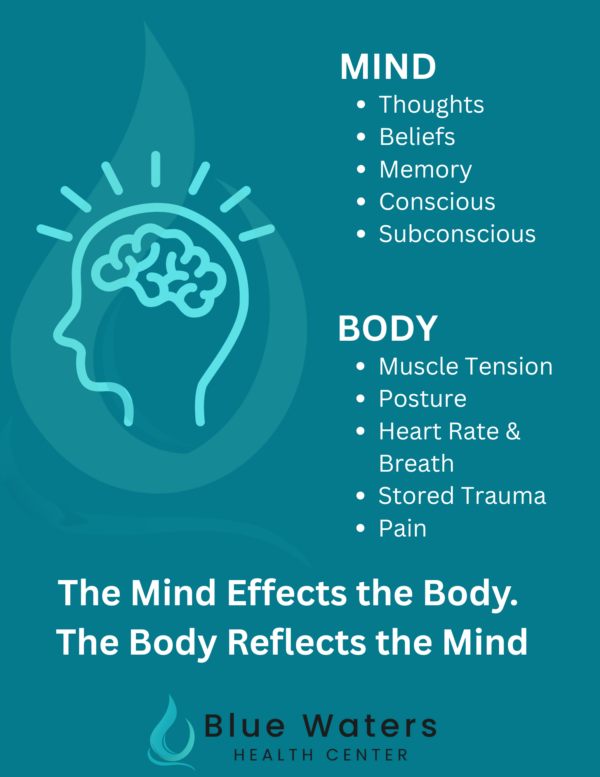
"The body often reflects what the mind and emotions have been carrying. Lasting wellness begins when we address the whole person—not just the symptoms."
— Dr. Mike Patten
Three Common Sources of Health Challenges
When evaluating symptoms, it can be helpful to think about three broad categories that may influence health.
Physical Factors
Physical causes are often the easiest to recognize.
Examples include:
- Sports injuries
- Falls and accidents
- Repetitive strain
- Poor posture
- Joint dysfunction
These situations place stress on the body and may lead to pain, inflammation, or reduced function.
Chemical and Nutritional Factors
The body is constantly influenced by what we consume and what we are exposed to.
Examples include:
- Dietary habits
- Nutritional deficiencies
- Dehydration
- Environmental toxins
- Medication side effects
These factors can influence energy levels, recovery, digestion, and overall wellness.
Emotional and Lifestyle Factors
Stressful life events can also affect how we feel physically.
Examples may include:
- Relationship challenges
- Family stress
- Workplace pressures
- Financial concerns
- Grief and loss
While these situations begin as emotional experiences, they can also influence sleep, muscle tension, digestion, and nervous system function.
By considering these different influences, we can create care plans that are more personalized to the individual rather than applying the same approach to every patient.
How Thoughts and Emotions Affect the Body
Have you ever noticed that your shoulders tighten during stressful periods?
Or that your stomach feels unsettled before an important meeting?
These experiences illustrate the mind-body connection.
When we encounter situations that create ongoing stress, the body's natural stress response may become activated.
This can contribute to:
- Muscle tension
- Changes in breathing patterns
- Sleep disruption
- Digestive changes
- Increased fatigue
- Heightened physical discomfort
These responses are normal protective mechanisms. However, when stress becomes ongoing, the body may have difficulty returning to a more balanced state.
Why Some Symptoms Seem Unrelated
One challenge in healthcare is that symptoms often appear disconnected from their underlying influences.
A person may experience:
- Frequent headaches
- Neck tension
- Poor sleep
- Digestive discomfort
- Low energy
Yet the contributing factors may involve a combination of physical strain, nutritional habits, and ongoing stress.
Because the body functions as an integrated system, challenges in one area can sometimes influence others.
Looking Beyond Symptoms
At Blue Waters Health Center, we encourage patients to look beyond the symptom itself and explore what may be contributing to it.
Questions may include:
- What physical stresses am I experiencing?
- How well am I sleeping?
- What does my nutrition look like?
- Am I carrying ongoing emotional stress?
- What habits support or interfere with my health?
These questions often reveal opportunities for improvement that may otherwise be overlooked.
A Whole-Person Approach to Healing
True wellness is not simply the absence of symptoms.
It involves creating an environment that supports the body's ability to adapt, recover, and function optimally.
This may include:
- Chiropractic care
- Nutritional support
- Lifestyle improvements
- Stress-management strategies
- Healthy movement patterns
When these factors work together, they can help support the body's natural healing processes and overall well-being.
If you are looking for a chiropractic approach that considers more than symptoms alone, Blue Waters Health Center offers personalized care designed to support your overall health and wellness journey.
Dr. Mike Patton
"If we want different results in our health, we must pay attention not only to what happens to us, but also to how we respond to it."
Dr. Mike goes into detail on his YouTube Channel. Hear it from the doctor himself! (It's fun, too.)
The Takeaway
Health is influenced by more than a single event, injury, or symptom.
Our thoughts, emotions, lifestyle habits, nutrition, and physical health often interact in ways we may not immediately recognize.
By taking a whole-person approach, we can better understand what may be affecting our health and identify meaningful steps toward improved wellness, resilience, and quality of life.
Frequently Asked Questions
What is the mind-body connection?
The mind-body connection refers to the relationship between emotional, mental, and physical health and how these systems may influence one another.
Can stress affect physical health?
Yes. Stress may influence sleep, muscle tension, digestion, energy levels, and overall well-being.
Can emotions contribute to physical symptoms?
Emotional stress can affect how the body responds and may contribute to physical tension, fatigue, digestive changes, and other symptoms.
What is a whole-person approach to health?
A whole-person approach considers physical, nutritional, emotional, and lifestyle factors rather than focusing solely on symptoms.
Why do symptoms sometimes seem unrelated?
The body's systems are interconnected. Challenges in one area can sometimes influence other areas of health and function.
How can chiropractic care support overall wellness?
Chiropractic care focuses on nervous system and musculoskeletal function and may be one component of a broader wellness strategy.
Schedule a Consultation
If you are struggling with recurring pain, chronic tension, or symptoms that continue returning despite treatment, the team at Blue Waters Health Center may be able to help you identify the underlying causes contributing to your condition.
Learn more at Blue Waters Health Center.