
Why Does Pain Keep Coming Back Even After Treatment?
1. Physical Causes of Pain
The most obvious cause of pain is physical injury or trauma.
This happens when the body experiences a sudden force or mechanical stress that damages tissue, joints, muscles, ligaments, or nerves.
Examples include:
- Car accidents
- Sports injuries
- Slips and falls
- Lifting injuries
- Repetitive strain
- Poor posture over time
For example, imagine stepping on someone’s foot while playing basketball and rolling your ankle. Before the injury, you felt fine. Afterward, pain and swelling appeared immediately.
This type of injury creates a physical problem that requires time and proper care to heal.
The same principle applies after car accidents, which are especially common here in Sarasota and throughout Florida. A collision may create inflammation, muscle guarding, joint dysfunction, or disc irritation that can continue long after the accident itself.
Why Physical Pain Returns
Even when treatment is helping, physical pain may return temporarily because healing takes time.
Soft tissues heal in phases. During recovery:
- Some days feel better than others
- Overuse may re-irritate healing tissue
- Returning too quickly to strenuous activity can slow progress
- Poor movement habits may continue stressing the same area
If someone injures their lower back lifting heavy objects and then immediately returns to the same lifting pattern before healing is complete, the tissue can become aggravated again.
In these situations, the treatment itself may not be failing. Instead, the body may still be dealing with ongoing physical stress.
2. Chemical and Nutritional Stress
Another major contributor to recurring symptoms involves the body’s chemistry and nutrition.
What we consume directly affects inflammation, energy production, digestion, hormone balance, nervous system function, and healing capacity.
Common chemical or nutritional stressors include:
- Highly processed foods
- Excess sugar
- Artificial sweeteners
- Chronic dehydration
- Poor nutrient intake
- Alcohol
- Prescription or recreational drugs
- Environmental toxins
- Household chemicals
- Mold exposure
Over time, these stressors can create chronic irritation within the body.
When Symptoms Continue Despite Treatment
Sometimes patients feel better after treatment but unknowingly continue exposing themselves to the very thing contributing to their symptoms.
For example:
- A person with headaches may continue consuming excessive sugar or caffeine
- Digestive symptoms may persist because of inflammatory foods
- Fatigue may continue because of nutritional deficiencies
- Joint pain may remain aggravated by chronic inflammation
Dr. Patten often explains that if the underlying chemical stress is not addressed, symptoms can continue cycling back despite otherwise effective care.
Treatment may temporarily reduce stress on the body, but if the irritation remains constant, the body can struggle to fully recover.
3. Emotional and Mental Stress
One of the most overlooked contributors to chronic pain is emotional stress.
Mental and emotional tension can create very real physical effects within the body.
Stress affects:
- Muscle tension
- Nervous system regulation
- Hormone balance
- Sleep quality
- Digestion
- Immune function
- Inflammation
- Recovery capacity
Emotional stress can come from many sources:
- Work stress
- Financial pressure
- Relationship struggles
- Anxiety
- Unresolved emotional trauma
- Chronic worry
- Internalized frustration
- Persistent negative thought patterns
Healing Requires Looking at the Whole Person
At Blue Waters Health Center, our goal is not simply to chase symptoms.
Instead, we work to understand:
- What physical stressors are affecting the body
- What chemical or nutritional factors may be interfering with healing
- What emotional or mental stress patterns may be contributing to recurring symptoms
This broader perspective helps patients better understand why healing sometimes takes time—and why symptoms may continue returning until the underlying causes are addressed.
The Mind-Body Connection
Many people notice this pattern:
They receive treatment and feel better for a short period of time. Then they return to a stressful environment or emotional situation, and the symptoms gradually return.
This does not mean the pain is “imagined.” The physical symptoms are very real.
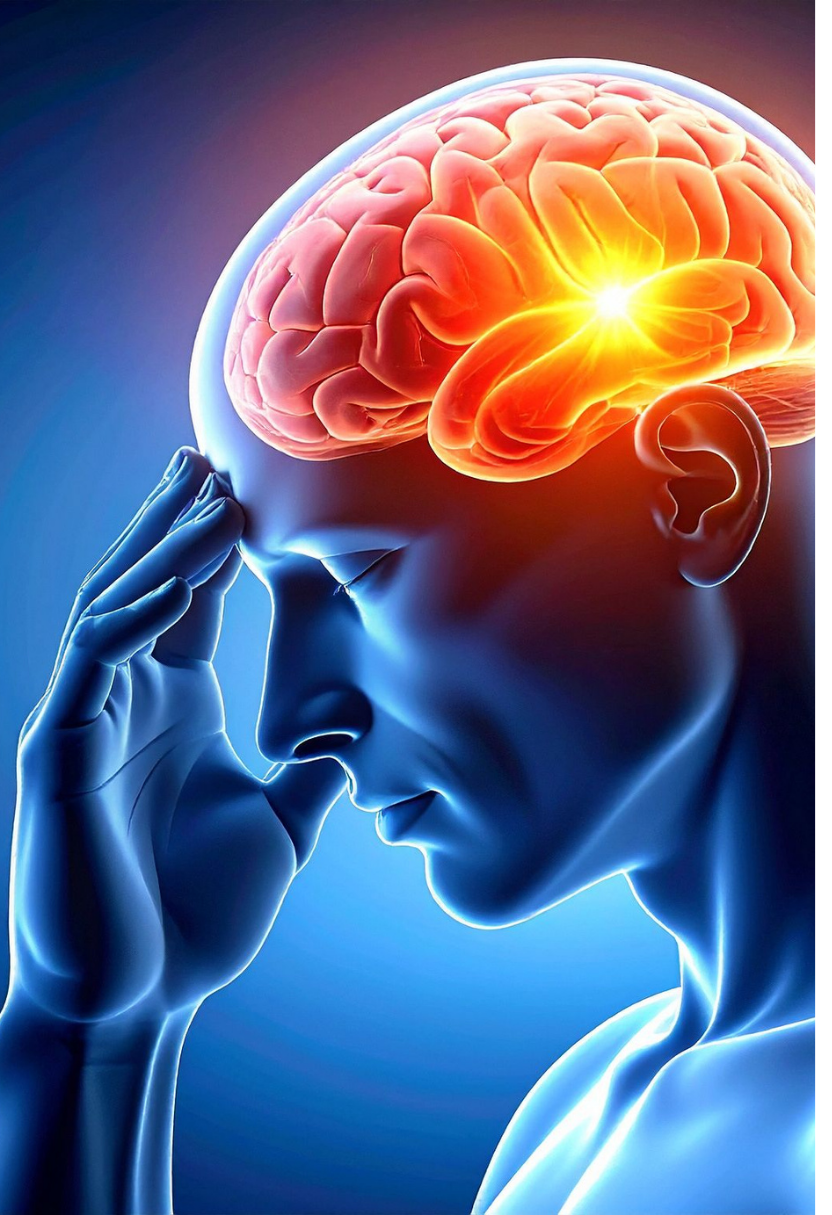
However, emotional stress can repeatedly trigger tension patterns and nervous system overload that recreate pain and dysfunction in the body.
For example:
- Neck and shoulder tension may worsen during periods of anxiety
- Digestive symptoms may flare during emotional stress
- Headaches may increase during high-pressure work situations
- Back pain may intensify during prolonged mental strain
When these stress patterns remain unresolved, the body can stay stuck in a cycle of recurring symptoms.
Why Temporary Relief Happens
Many treatments can successfully reduce pain temporarily:
- Chiropractic adjustments
- Decompression therapy
- Acupuncture
- Physical therapy
- Massage
- Injections
- Exercise therapy
But if the original stressor remains active, symptoms often return.
That is why long-term improvement frequently requires lifestyle changes in addition to treatment.
Depending on the situation, healing may involve:
- Allowing injured tissues adequate recovery time
- Improving posture and movement habits
- Reducing inflammatory foods
- Supporting nutrition and hydration
- Identifying environmental stressors
- Managing emotional stress more effectively
- Improving sleep and recovery habits
When these pieces begin working together, healing often becomes more consistent and lasting.
Dr. Mike Patton
"Long-term improvement frequently requires lifestyle changes in addition to treatment."
Dr. Mike goes into detail on his YouTube Channel. Hear it from the doctor himself! (It's fun, too.)
The Goal Is Long-Term Healing, Not Temporary Relief
Pain is often the body’s way of signaling that something is out of balance.
While symptom relief is important, lasting healing usually requires understanding what is continually irritating or overwhelming the body in the first place.
By addressing the deeper contributors to dysfunction—not just the symptoms themselves—we can help create a stronger foundation for long-term health and recovery.
Frequently Asked Questions
Why do I feel better after treatment and then worse again later?
This often happens because the underlying stressor has not been fully resolved. Healing tissues may still be irritated physically, chemically, or emotionally between treatments.
Can emotional stress really cause physical pain?
Yes. Stress can create muscle tension, nervous system overload, inflammation, digestive disruption, and sleep disturbances that contribute to very real physical symptoms.
How long does it take for injuries to heal?
Healing time varies depending on the severity of the injury, overall health, inflammation levels, stress, nutrition, and daily activity patterns.
Can diet contribute to chronic pain?
Absolutely. Highly processed foods, excess sugar, artificial ingredients, and inflammatory eating habits can contribute to chronic inflammation and delayed healing.
What makes Blue Waters Health Center different?
Our approach focuses on identifying underlying patterns contributing to pain and dysfunction rather than simply masking symptoms. We evaluate the physical, nutritional, and neurological aspects of health to support more complete healing.
Schedule a Consultation
If you are struggling with recurring pain, chronic tension, or symptoms that continue returning despite treatment, the team at Blue Waters Health Center may be able to help you identify the underlying causes contributing to your condition.
Learn more at Blue Waters Health Center.