
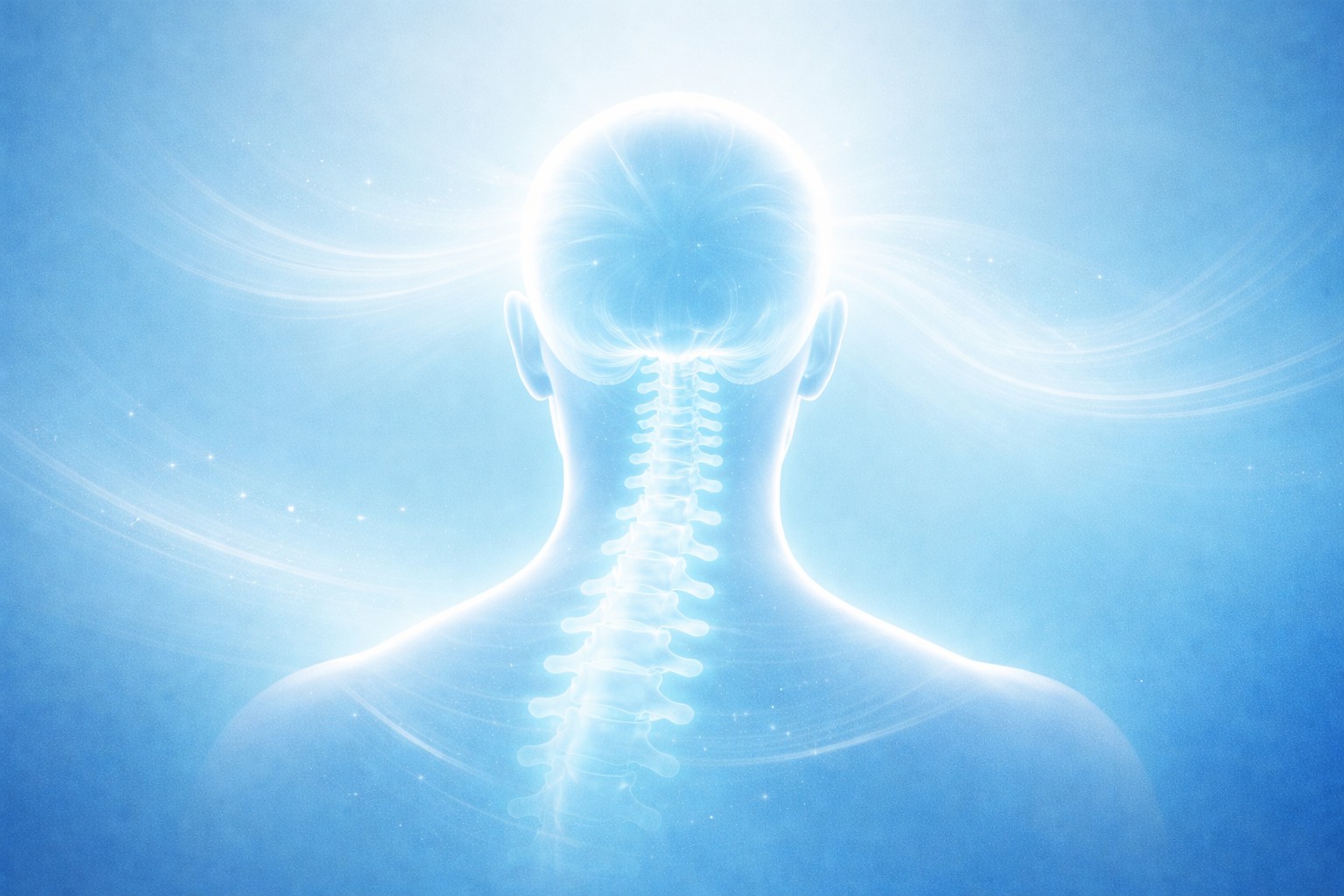
Why Your Headaches Keep Coming Back (Even When the Pain Moves Around)
If you deal with headaches, you’ve probably asked yourself some version of this:
“Why do my headaches keep coming back when I’ve already treated them?”
You hydrate more. You rest. You take something for the pain. You stretch your neck. You change your pillow. You try to manage stress better.
And sometimes… it helps.
But then the headache returns.
Maybe it shows up behind your eyes. Maybe it wraps around your head like a band. Maybe it sits at the base of your skull. Maybe it’s one-sided. Maybe it comes with neck tightness, jaw tension, or brain fog.
At Blue Waters Health Center here in Sarasota, headaches are one of the most common reasons people finally decide to seek care — not because they haven’t tried anything, but because nothing has lasted.
And that frustration makes sense.
Because most headaches are treated as a pain problem… when they’re actually a pattern problem.
Headaches Are Rarely Just a Head Issue
Clinically speaking, the head is usually where the headache is felt — not where it starts.
The head is where tension, nerve irritation, and pressure finally express themselves.
Headaches are often influenced by:
- Neck and upper spine mechanics
- Postural strain
- Jaw tension
- Nervous system overload
- Digestive stress
- Sleep disruption
- Emotional stress
- Breathing patterns
Pain in the head is the signal — not the source.
Why Headaches Often Change Location
One of the biggest clues that headaches are neurological patterns (not isolated problems) is how often they move.
You might notice one headache starts at the base of the skull, another settles behind the eyes, another feels like pressure across the forehead, and another wraps around the temples.
This shifting pattern tells us something important:
The body is compensating.
When one area can’t regulate properly, the nervous system redistributes tension elsewhere. The headache moves because the priority hasn’t changed — only the compensation has.
Why Medication Helps… But Doesn’t Resolve the Pattern
Pain relievers can reduce inflammation or dull nerve signaling temporarily. That can be useful in the short term.
But medication changes how pain is perceived — not how the body is organized.
If the nervous system still perceives imbalance, it will recreate the same tension pattern again. This is why headaches return, relief windows shrink, and symptoms evolve.
The Nervous System’s Role in Headaches
Your nervous system’s primary job is protection. It constantly evaluates stability, safety, and load.
When overload is detected — physical, chemical, or emotional — the nervous system responds by tightening muscles, altering blood flow, and changing nerve signaling.
In the head and neck region, this often leads to:
- Muscle contraction at the base of the skull
- Restricted cervical joints
- Altered blood flow
- Heightened nerve sensitivity
- Pressure sensations
This is not failure. It’s protection.
Why Neck and Upper Spine Function Matters
The upper cervical spine is one of the most neurologically dense regions of the body. It influences head position, eye coordination, balance, jaw mechanics, blood flow to the head, and nervous system tone.
When motion is restricted here — even slightly — the nervous system compensates aggressively.
That compensation often shows up as headaches.
The ONE Technique Perspective on Headaches
The ONE Technique is built on a simple neurological truth:
The brain can only focus on one dominant stress point at a time.
You may experience neck tension, jaw tightness, shoulder stiffness, and head pain — but the nervous system usually has one primary region it’s organizing around.
Correct that region, and the rest of the system can finally relax.
Why Headaches Improve When the Right Area Is Corrected
When the dominant spinal level is corrected, muscles stop guarding, blood flow normalizes, nerve irritation decreases, posture improves, and the nervous system calms.
Headaches often reduce in frequency, intensity, or duration — not because pain was chased, but because the nervous system no longer needs to protect.
Why Headaches Flare During Stress
Stress shifts the nervous system into protection mode. Breathing becomes shallow. The jaw tightens. The neck compresses. The shoulders rise.
If there’s already a vulnerable pattern, stress amplifies it.
Why Lasting Headache Relief Is a Process
Headaches that have been present for months or years involve learned muscular patterns, nervous system conditioning, structural adaptation, and habitual posture.
One adjustment can help — sometimes dramatically — but lasting change requires consistency.
How Lifestyle Influences Headache Patterns
Healing speed depends on environment. A nervous system supported by deep sleep, efficient digestion, daily movement, hydration, stress management, and the Four Physical Laws stabilizes faster and holds corrections longer.
Signs Your Headaches Are Truly Resolving
- Headaches become less frequent
- Intensity decreases
- Duration shortens
- Neck mobility improves
- Jaw tension reduces
- Sleep improves
- Stress tolerance increases
A Gentle Invitation
If you’ve been dealing with recurring headaches — especially ones that move or return despite treatment — it may be time to look at the pattern, not just the pain.
A nervous system that no longer needs to guard creates clarity, balance, and resilience.
Frequently Asked Questions About Headaches and Chiropractic Care
Can chiropractic help with headaches?
Chiropractic does not treat headaches directly. It works by restoring proper motion and nervous system communication so the body no longer needs to create protective tension patterns that contribute to headaches.
Why do my headaches move around?
Moving headaches are a sign of compensation. When the nervous system is protecting a primary stress point, tension may shift locations as the body adapts.
Are headaches caused by the neck?
Many headaches are influenced by the neck and upper spine, but the neck is often part of a larger neurological pattern rather than the sole cause.
How is the ONE Technique different?
The ONE Technique identifies the single dominant spinal level the brain is prioritizing, instead of adjusting many areas in one visit. This allows the nervous system to reorganize more efficiently.
How long does it take for headaches to improve?
Some people notice changes quickly, while others improve gradually. Healing speed depends on how long the pattern has existed, stress levels, sleep, digestion, and lifestyle support.